

If you've ever worked in medical supply chains, you know that one wrong choice of packaging can lead to costly delays, compliance missteps, or even risk to patient safety. For years, I've heard questions from healthcare facilities, medical device startups, and hospital procurement teams: Can OEM Tyvek bags be made for medical use? As the owner of an OEM Tyvek bags manufacturer that's served medical and industrial clients for over a decade, I'm here to break down the science, the industry standards, and the real-world possibilities—no industry jargon, just practical answers based on what we build every day.
First, let's get clear on what Tyvek is, because that's the foundation of the question. Tyvek isn't just a random plastic film; it's a nonwoven fabric made by DuPont from high-density polyethylene (HDPE) fibers, fused together through a unique air-laid process that creates a material that's strong, tear-resistant, and oddly porous. That porosity is the key to why Tyvek works so well for medical packaging: it lets sterilization agents (like ethylene oxide, or EtO, or steam) pass through to kill bacteria and spores, while keeping contaminants out. But not all Tyvek is created equal—and that's where OEM customization for medical use comes in.
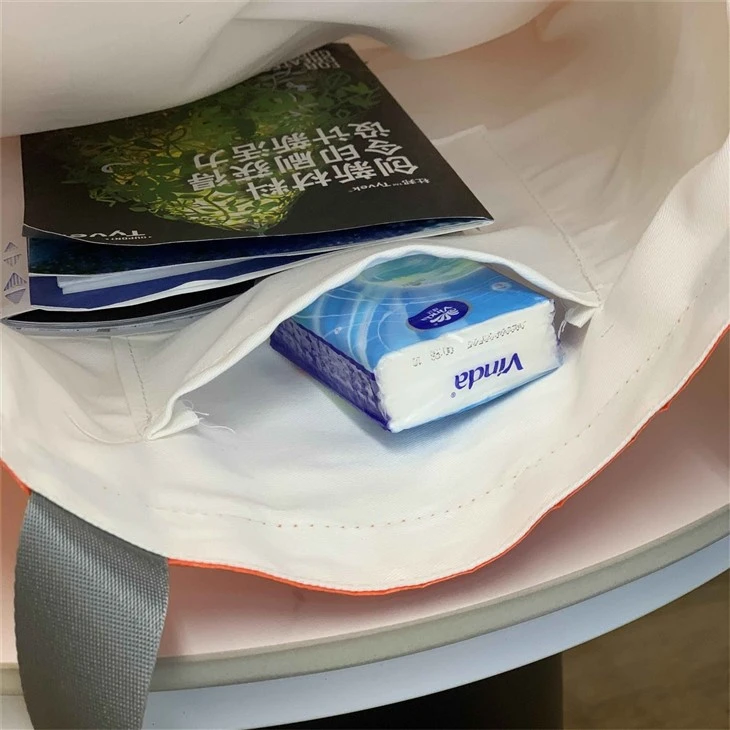
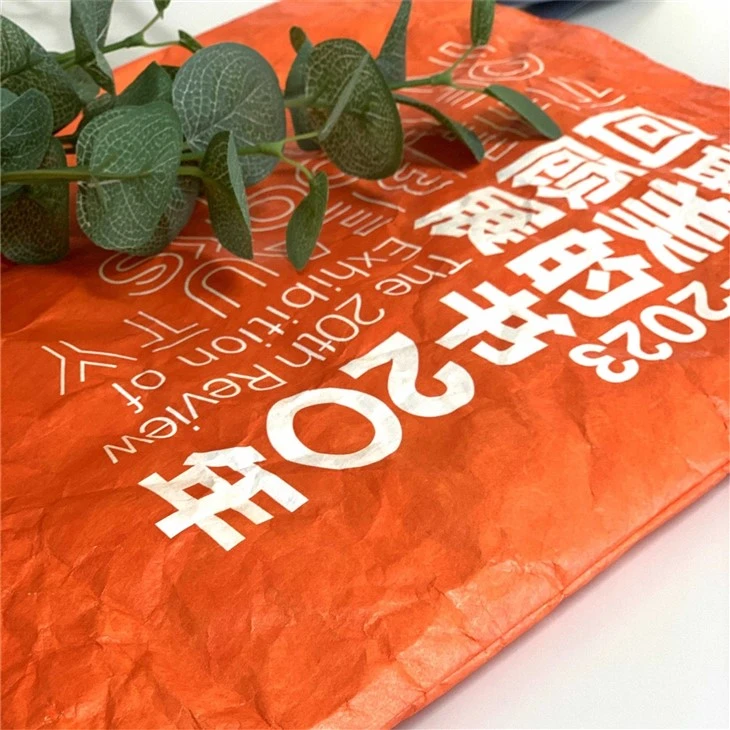
A lot of people assume Tyvek is just for mailing envelopes or light-duty shopping bags. We make lots of those too, like our standard Tyvek Recycle Bag, Tyvek Eco Bag, tyvek grocery bag, Eco-Chic Reusable Tyvek Shopping Bags, and Black tyvek bag for everyday use, but medical-grade Tyvek is a whole different class of material. The biggest difference is the purity of the raw HDPE. For general-use Tyvek, manufacturers can use recycled or slightly less refined resin, but medical-grade Tyvek needs to meet strict ISO 10993 standards (biological evaluation of medical devices) and FDA requirements for biocompatibility. That means no residual chemicals that could leach into medical devices during sterilization, no loose fibers that could contaminate surgical tools, and consistent thickness and structural integrity across every batch.
When a client comes to us wanting OEM Tyvek bags for medical use, the first step we take is aligning their needs with the specific medical application. Medical Tyvek bags aren't one-size-fits-all. For example, steam-sterilized surgical instruments need a Tyvek bag with a specific thickness (usually 3.5 mils to 5 mils) that can withstand repeated autoclave cycles without tearing or degrading, while also allowing steam to penetrate fully. For EtO-sterilized implantable devices, we work with clients to adjust the porosity so EtO can circulate evenly, but the bag seals tight enough to maintain a sterile barrier for years, not just days. For single-use medical supplies like wound dressings or diagnostic test kits, we can customize sizes, add tear notches for easy opening, and even print barcodes for inventory tracking—something we don't do for most of our general-purpose Tyvek bags like the tyvek grocery bag or Black tyvek bag.
One of the biggest myths we hear is that OEM medical Tyvek bags can't be sustainable. That's simply not true. Our medical-grade Tyvek is recyclable through the same programs as standard Tyvek products, and we've also developed a line of eco-friendly medical Tyvek bags that meet the same biocompatibility standards as our traditional medical lines. Unlike some single-use plastic medical packaging, Tyvek is durable enough to be reused for non-sterile storage after its initial sterilization cycle, which reduces waste for healthcare facilities looking to cut their environmental footprint. For clients who want both medical compliance and sustainability, we can help tailor bags that balance performance with our eco-focused designs, similar to our Tyvek Eco Bag line for consumer use.
But here's the thing: making OEM Tyvek bags for medical use isn't just about changing the material. It's about the entire manufacturing process and quality control. Our medical production lines are ISO 13485 certified, which is the international standard for quality management systems in medical device manufacturing. That means every step—from cutting the Tyvek to sealing the bags to final packaging—takes place in a controlled, dust-free environment to prevent contamination. We track every batch with a unique serial number, so if there's ever a recall or quality issue, we can trace it back to the raw material and production shift. For medical clients, that level of traceability is non-negotiable, and it's something that many general Tyvek bag suppliers can't offer.
We've worked with a wide range of medical clients, from small startups making at-home diagnostic tests to large hospital systems packaging central sterile supply (CSSD) instruments. One project that stands out was a startup that needed custom Tyvek bags for their new surgical stapler, which was going to be sterilized with EtO. They had a standard Tyvek bag that wasn't allowing enough EtO to circulate, leading to inconsistent sterilization. We worked with them to adjust the Tyvek's porosity by modifying the air-laid process, tested the bags in our in-house sterilization lab, and met their FDA requirements in under two months. Now those bags are used in hospitals across the country.
Of course, there are limitations. Tyvek isn't ideal for all medical applications. For items that need to be stored in extreme temperatures or with very aggressive sterilization methods like gamma irradiation, we'll often recommend combining Tyvek with other materials (like medical-grade film) to create a barrier that works for those conditions. But for the vast majority of medical packaging needs—sterile instruments, single-use supplies, implantable devices—OEM Tyvek bags are not only possible, they're often a better choice than alternatives like paper packaging or plastic clamshells because of their durability and consistent performance.
If you're in the medical space and wondering if OEM Tyvek bags are right for your needs, start by clarifying two things: what sterilization method you'll use, and what regulatory standards you need to meet (FDA, ISO, etc.). A reputable OEM Tyvek bags manufacturer will guide you through this, not just push a one-size-fits-all product. We always ask new medical clients for details on their application, then share sample Tyvek materials from our medical line, run small-scale trials, and work closely with their quality teams to make sure the final product checks every box.
We also offer customization beyond just size and material. Clients can choose from a range of Tyvek finishes—matte, gloss, or textured—and add custom printing with logos, sterilization indicators, or compliance labels. For example, our Eco-Chic Reusable Tyvek Shopping Bags line uses high-quality printing that holds up to frequent use, and we bring that same printing expertise to medical bags, helping clients meet labeling requirements for sterile products. Even for clients focused on sustainability, we can source Tyvek from recycled materials that still meet medical biocompatibility standards, a benefit we offer through our Tyvek Recycle Bag line adapted for medical use.
At the end of the day, the answer to "Can OEM Tyvek bags be made for medical use?" is a resounding yes—provided you work with a manufacturer that understands the unique requirements of medical packaging, not just general Tyvek products. We've spent years refining our medical line, investing in quality control, and staying up to date on changing regulatory standards, because we know that when it comes to medical supplies, there's no room for error.
If you're a medical device manufacturer, hospital procurement lead, or startup looking for custom Tyvek bags for sterile use, we're here to help. We'll walk you through the process, answer your questions, and provide samples tailored to your specific needs. Reach out to our team for a consultation to discuss your medical packaging requirements.
References
- International Organization for Standardization. (2018). ISO 10993: Biological evaluation of medical devices.
- International Organization for Standardization. (2016). ISO 13485: Medical devices — Quality management systems — Requirements for regulatory purposes.
- DuPont Tyvek. (2023). Tyvek Medical Packaging: Performance and Compliance. Retrieved from https://www.dupont.com/products/tyvek/medical-packaging.html
- U.S. Food and Drug Administration. (2022). Medical Device Packaging and Labeling: Guidance for Industry and Food and Drug Administration Staff.
- Center for Disease Control and Prevention. (2021). Sterilization and Disinfection in Healthcare Settings: Guidelines for Central Sterile Supply Departments.