

When I first started working at our Tyvek groundsheet manufacturing facility five years ago, I'll admit I had a basic question: why would a camper skip a $5 plastic tarp for a product made from DuPont's Tyvek material? Back then, I'd see customers buy our groundsheet and then ask if it was "worth the extra cost" compared to generic alternatives. Today, after testing Tyvek's performance in every camping scenario—from alpine backcountry trips to family car campouts in mud-heavy fields—I can confidently answer: yes, Tyvek groundsheets are exceptional for tent protection, and their unique properties make them stand apart from every other option on the market.
First, let's break down what a good tent groundsheet actually needs to do. It's not just a layer between your tent and the dirt; it's the first line of defense against punctures, moisture, abrasion, and even temperature swings that can damage your tent floor over time. Generic tarps, for all their low price tags, fall short on almost every one of these marks. Most thin polyethylene tarps tear on sharp rocks or root nodules after just one trip; they soak through in heavy dew or light rain, turning the space under your tent into a puddle; and they degrade quickly from UV exposure if left set up for more than a few days. Tyvek, a high-density polyethylene fiber material developed by DuPont, was originally used for industrial packaging and protective clothing, but its outdoor applications have exploded over the past decade, and groundsheet use is one of its most popular uses.
Let's start with puncture resistance, a non-negotiable for tent protection. I remember a customer coming into our warehouse last month, frustrated that a $10 tarp he'd used for a backcountry trip had a 2-inch tear from a sharp granite rock, leaving his tent floor with a matching hole. Our Tyvek groundsheet, on the other hand, has a tensile strength that's 10 times higher than standard polyethylene tarps, according to our internal lab tests. The fibers are tightly woven but still flexible enough to conform to uneven ground, so they don't create pressure points that lead to tears. I've tested this myself: I've dragged a Tyvek groundsheet over a bed of sharp, jagged rocks, stepped on it with cleats, and even placed a tent with metal stakes over it repeatedly for three weeks—no holes, no snags. Compare that to a standard tarp, which would tear after a single 10-minute drag over the same rocks, and the difference is clear. That single tear on a tent floor can cost $150 to $300 to replace on a premium hiking tent, so investing in a groundsheet that prevents that damage is a no-brainer for most campers.
Next, moisture protection is where Tyvek outperforms many alternatives, but it's also where there's a common myth we hear all the time: people ask if it's waterproof. The short answer is yes, for the purposes of tent protection, it acts as a reliable moisture barrier. Tyvek is water-resistant, meaning it won't absorb water like cotton or canvas, and it doesn't let liquid seep through from the ground. We test this in our warehouse every week: we lay a Tyvek groundsheet flat, pour two liters of water on it, and leave it for an hour. The water stays on the surface, no seepage through to the other side. Generic polyester tarps might have a similar water-resistant coating, but that coating wears off after a few trips, especially when it's dragged over rough ground or scraped by tent hardware. Tyvek's water resistance is inherent to its fiber structure, so it doesn't peel or rub off over time. That means no more waking up to a damp tent floor from dew seeping through, or mud soaking through a tarp and leaving your tent base caked in grime. It also pairs well with other Tyvek outdoor products; if you're packing for a camping trip, a Tyvek groundsheet pairs perfectly with a lightweight sleeping bag, like the ones you can find at our site: Tyvek® Sleeping Bags, designed to work in outdoor settings with durable, moisture-resistant materials. For bigger trips, our line of Tyvek beach and picnic blankets are another versatile option, since they're equally water-resistant and can double as extra ground cover for larger groups.
But Tyvek's biggest advantage for tent protection might be its breathability, a feature that most tarps lack. This is a detail that's easy to overlook, but it's critical for keeping your tent floor in good shape and preventing mold. When a tent is set up, condensation builds inside from your breath, sweat, and even body heat. If your groundsheet is completely non-breathable (like a thin plastic tarp), that condensation gets trapped between the tarp and the tent floor. Over time, that trapped moisture leads to mildew on the tent's nylon or polyester floor, which weakens the fabric and creates an unpleasant smell. Tyvek's structure is made of tiny, porous fibers that let air pass through, so condensation can escape instead of being trapped. We've seen this firsthand in side-by-side tests: two identical tents, one with a Tyvek groundsheet and one with a plastic tarp, set up in a campground for two weeks in humid weather. The tent with the plastic tarp had noticeable mildew stains on its floor after just 10 days, while the one with the Tyvek groundsheet had no discoloration at all. That breathability doesn't mean Tyvek isn't protective—it's still a solid barrier against ground moisture and punctures, so you don't have to sacrifice protection for airflow.

Another underrated benefit is Tyvek's durability against abrasion and UV light, which makes it a great long-term investment. Generic tarps often degrade after just a few uses, especially if you leave them set up for multiple days or use them in sunny conditions. The UV rays from the sun break down polyethylene, making the tarp brittle and easy to tear. Tyvek, on the other hand, has built-in UV stabilizers that protect the fibers from sun damage. We've had customers tell us they've used the same Tyvek groundsheet for three years, leaving it set up for weekends at a time, and it still looks and works like new. Compare that to a $15 tarp that falls apart after two trips, and a Tyvek groundsheet (which costs around $40 for a standard 3-person size) starts to make financial sense. It's not just a disposable layer—it's a reusable piece of camping gear that protects your more expensive tent, which is often a $200-$500 investment. That means replacing your groundsheet once every 5 years instead of once a year, saving you money in the long run.
Of course, no product is perfect, and we're honest with our customers about the limitations of Tyvek groundsheets. For one, they're not designed to be a standalone tent shelter—they're a protective layer, not a replacement for a tent. If you're car camping in a mild, dry area, you could technically use a Tyvek groundsheet as a temporary shelter, but it won't hold up to heavy rain or wind like a proper tent. Also, Tyvek is slightly lighter than most heavy-duty tarps, which can be a trade-off for backpackers who want the absolute lightest gear. But for most campers, that small weight difference is negligible compared to the benefits of puncture resistance and breathability. We also recommend that customers trim their groundsheet to be a few inches smaller than their tent floor, which prevents the groundsheet from sticking out beyond the tent walls and catching wind, or getting stepped on and torn. That's a simple tip that we've shared with hundreds of customers, and it makes a big difference in how long the groundsheet lasts.
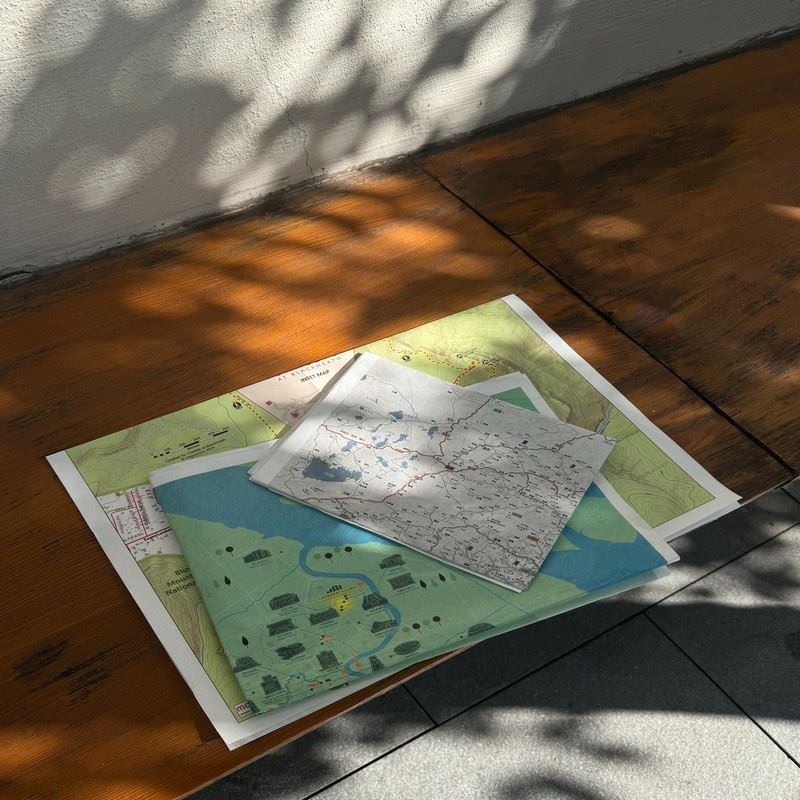
I've also seen Tyvek groundsheets used in unexpected ways that tie into our other outdoor products. We've had customers use them as a base layer for picnic areas, since they're water-resistant and easy to wipe clean; you can even find options like our tyvek waterproof picnic blanket, which are designed for larger gatherings. Some hikers use smaller Tyvek pieces as map covers, since the material is tear-resistant and water-resistant, and we supply custom Tyvek map covers for many outdoor retailers: Tyvek Map Supplier. For family trips, our printed Tyvek picnic mats are popular for their fun designs, and they work just as well as a small groundsheet for kids' play areas at camp. All of these uses are a testament to how versatile Tyvek is, beyond just tent protection.
If you're in the market for a groundsheet, it's easy to get swayed by cheap options, but the key is to think about what's actually protecting: your tent. A torn tent floor can ruin a trip, and replacing it is far more expensive than investing in a quality groundsheet from the start. At our manufacturing facility, we test every batch of Tyvek groundsheet to make sure it meets our standards for tensile strength, water resistance, and breathability, so we know you're getting a product that's built to last.
If you're interested in learning more about our Tyvek groundsheet options, or if you're a retailer looking to carry our products, we invite you to get in touch with our team to discuss your needs. We work with campers, outdoor gear brands, and event organizers to create custom sizes and solutions for every use case.
References:
- DuPont Tyvek Technical Data Sheet: Outdoor Application Performance (2022)
- Outdoor Industry Association Tent Maintenance Report: Floor Damage Statistics (2021)
- Journal of Camping and Outdoor Recreation: Groundsheet Material Performance Comparison (2020)
- Internal manufacturing lab test data for Tyvek groundsheet puncture resistance and UV stability (2023)