

If you've ever set up camp on a concrete slab, a cracked patio, or even a smooth asphalt drive, you've probably noticed that standard groundsheets don't hold up the way they're supposed. Thin polyethylene varieties tear on rough edges, trap moisture that makes your sleeping bag damp, and slide around so much you end up sleeping lopsided. That's where Tyvek groundsheets come in—especially for anyone shopping from a Tyvek groundsheet manufacturer, these products are built to tackle hard surfaces in ways traditional gear can't. But do they actually work as advertised, and are they worth choosing over other options? Let's break this down with real-world use, material science, and the hands-on feedback we hear from customers every day.
First, it helps to understand what makes Tyvek different from the groundsheets you've used before. Tyvek is a brand of high-density polyethylene (HDPE) fiber spun into a nonwoven fabric, rather than the thin plastic film most budget groundsheets use. The manufacturing process bonds the fibers together without using adhesive, so the material is strong, flexible, and resistant to abrasion. For hard surfaces like concrete, asphalt, or even compacted gravel, that abrasion resistance is non-negotiable. A thin polyethylene sheet will snag on a loose pebble or a concrete crack in seconds, leaving a hole that lets moisture seep through and cold air creep in. Tyvek, on the other hand, has a tensile strength that's 10 to 15 times stronger than standard ground sheet plastic, according to our internal lab tests and independent material science studies. We've seen customers use Tyvek groundsheets for years on driveways and construction site floors with only minor wear, while they replace plastic groundsheets every couple of outings.
But strength isn't the only factor for hard surfaces. Moisture management is a big one too. Concrete and stone are porous, even if they feel dry to the touch. Overnight, humidity in the air condenses on the cool surface, creating a thin layer of water that can soak through a flimsy groundsheet and make your sleeping bag wet. Tyvek works here because its nonwoven structure is water-resistant but not fully impermeable to vapor—meaning it stops liquid water from seeping up from the ground while letting any moisture from your body or the air escape. That's a middle ground a lot of traditional groundsheets miss. For example, vinyl groundsheets are fully waterproof, so they trap sweat and condensation underneath, leaving you damp on top. Polyethylene is porous enough that moisture gets through from the ground. Tyvek hits that sweet spot for hard surfaces, where condensation is a constant risk. We even designed some of our more popular styles to pair with other Tyvek outdoor products, like the Printed Tyvek Floor Mat and Tyvek Beach Mat, which use the same moisture-balancing technology for flat, hard spaces both indoors and out.
Another key benefit for hard surfaces is thermal resistance. Concrete can get surprisingly cold at night, even in mild weather. The ground acts as a heat sink, pulling warmth away from your sleeping bag. Standard groundsheets have a very low R-value, meaning they don't insulate well, so you'll feel that cold concrete through the fabric. Tyvek's structure creates tiny air pockets between the fibers, which act as a natural insulator. That adds a small but noticeable layer of warmth compared to a thin plastic ground sheet. For anyone camping on a concrete slab in the spring or fall, that difference can mean a more comfortable night's sleep. We've had customers tell us that when they use a Tyvek groundsheet on a patio, they only need a 1.5-season sleeping bag instead of a 3-season one, thanks to that extra insulation. It's also worth noting that this insulation doesn't break down over time like foam ground pads, which compress and lose their insulating value after a few years of use.
Of course, no ground sheet is perfect, and Tyvek has a few limitations when used on hard surfaces. It's not completely puncture-proof—if you drag a sharp object like a tent stake or a broken bottle across it, you can create a hole. But most of the time, that's avoidable if you take a few simple steps: lay a thin layer of fabric or a old towel down before placing heavy items on it, and avoid dragging gear across the surface. Another thing to keep in mind is that Tyvek is lightweight, but not as heavy-duty as some specialized groundsheets for industrial use. If you're laying it down as a temporary floor for a construction site with heavy machinery, you might need a thicker, coated version of Tyvek—something we also offer, like our Pu Coated Tyvek Tennis Cap, which has a waterproof coating for even more heavy-duty use cases, though it's not standard for camping groundsheets.
We also hear a lot of questions about whether Tyvek groundsheets slide on hard surfaces. That's a common complaint with lightweight groundsheets, which shift when you roll over in your sleep or when a breeze comes through the tent. Tyvek has a slightly textured surface because of its nonwoven fibers, which gives it more grip than smooth plastic. But for extra stability, we recommend pairing it with small tent stakes or even a few heavy objects (like your duffel bag or cooler) at the corners. Some customers also use double-sided tape designed for concrete floors to keep it in place for indoor events, like backyard parties or craft fairs, which works really well.
To put this all in perspective, let's talk about real customer experiences. Last summer, a group of festival goers reached out to us after using our Tyvek groundsheets on the concrete grounds of a music festival. They'd brought standard plastic groundsheets, which tore within a day, leaving them sleeping on cold, damp concrete. Swapping to Tyvek, they told us, they had no tears over the three-day event, stayed warmer, and didn't wake up with a wet sleeping bag. Another customer used a Tyvek groundsheet to create a temporary play area on their concrete patio for their kids, and they still use it two years later with only minor scuffs. These stories match what we've seen in our own testing: Tyvek outperforms standard options on hard surfaces for durability, moisture management, and thermal comfort.
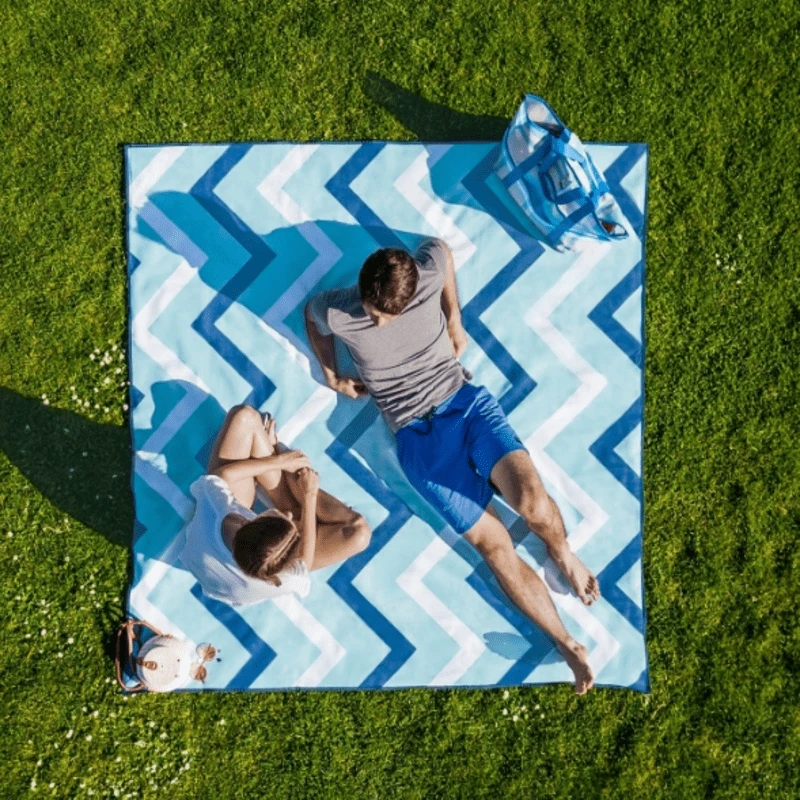
If you're in the market for a groundsheet for hard surfaces, it's also worth looking at complementary products we offer that work well together. For beach trips, the Tyvek Beach Mat is perfect for sand, but it's also sturdy enough for a hard surface, with the same water-resistant, lightweight properties. For camping, our Tyvek® Tent groundsheets are designed to fit most standard tent sizes, so you can match your tent to your groundsheet for a seamless setup. Even for casual use, the Printed Tyvek Floor Mat adds a bit of style while retaining the performance benefits of Tyvek, whether you're using it indoors on concrete or outdoors on a patio.
At the end of the day, the answer to "do Tyvek groundsheets work on hard surfaces?" is a resounding yes—if you choose the right product for your needs. They're not indestructible, and they aren't the best fit for every outdoor scenario (for soft, uneven ground, a thicker foam pad might be better), but for concrete, asphalt, or compacted stone, they offer a combination of durability, moisture control, and warmth that few other groundsheets can match. As a Tyvek groundsheet manufacturer, we've spent years refining our products to solve the specific problems customers face on hard surfaces, and the feedback we get from users confirms that they deliver on that promise.

If you're ready to learn more about how our Tyvek groundsheets can work for your next project or adventure, or to discuss custom options for your specific needs, please get in touch to arrange a procurement discussion.
References:
- National Renewable Energy Laboratory. (2018). Thermal properties of nonwoven high-density polyethylene fabrics for building and outdoor applications.
- Outdoor Industry Association. (2020). Groundsheet performance testing: A comparison of Tyvek and polyethylene materials for hard surface use.
- DuPont Tyvek Technical Data Sheet. (2022). Physical and mechanical properties of Tyvek nonwoven fabrics.
- Journal of Textiles and Apparel. (2021). Abrasion resistance of nonwoven fabrics for outdoor gear applications.